Looking Beyond Conventional Blinds
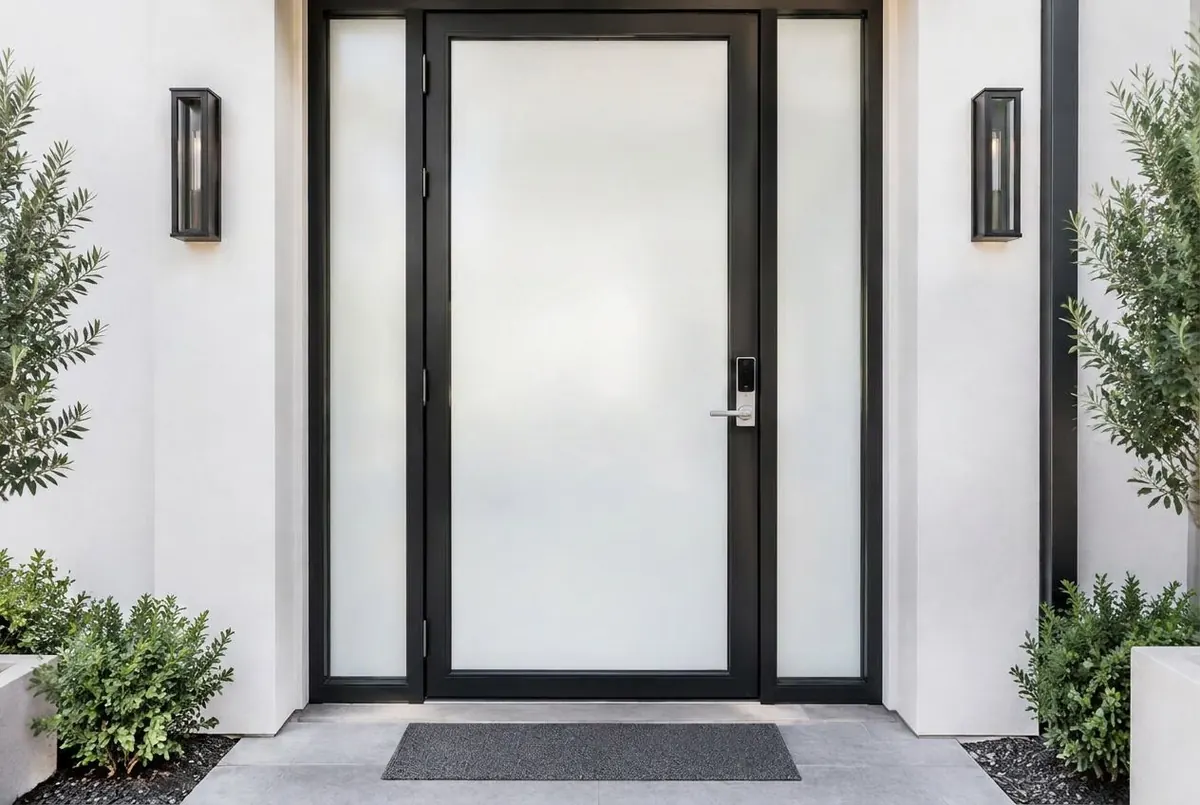
For homes and offices that need privacy on demand, PDLC smart glass offers a convenient alternative to conventional blinds. Its appeal combines a clean appearance with energy efficiency and sustainability. Dallas owners can maintain access to natural light and enjoy an unobstructed view in the clear state, then select privacy when needed without adding a separate window covering.
Controlling Privacy with Switchable Glass
Guest rooms show how useful on-demand privacy can be. A switch or button changes PDLC privacy glazing from transparent to opaque or tinted, letting guests screen a bathroom or bedroom glass wall without handling blinds. Within the film, liquid crystal molecules change orientation when electrical current is applied, altering transparency. The resulting transition makes it straightforward to move between an open view and a private setting.
Comfort is another reason to consider smart glass. Blocking up to 99% of UV rays, it reduces solar glare and heat to help guests relax indoors, particularly during bright Dallas afternoons. PDLC smart glass can also form soundproof walls or partitions, helping reduce noise pollution in busy hospitality spaces such as restaurants and lobbies.
Fitting Privacy into the Interior Design
Windows, doors, partitions, and skylights can all incorporate smart glass, giving hospitality designers flexibility across a range of applications. It works with traditional as well as contemporary interiors, and customization can align it with a property’s theme or branding. This helps keep the guest experience consistent throughout a venue.
Pairing smart glass with stone, wood, or metal introduces further design options. At a restaurant or lounge bar, for example, a counter can change from opaque to transparent to reveal the bottles and glassware behind it. Integrated thoughtfully, this feature becomes a visual focal point and brings a modern, refined finish to the room.
Experiences That Blinds Cannot Provide
Beyond covering a window, smart glass can help reveal concealed areas in luxury hotels and resorts. A private spa or hidden wine cellar can appear at the touch of a switch, adding an unexpected element to a visit. Interactive displays and touchscreen applications offer other possibilities, from information access and lighting or temperature controls to changing the view presented outside a window. These uses give guests more ways to personalize their surroundings.
Promotional content is another application: smart glass can carry digital signage or advertising within a hospitality setting. Conference and event rooms can use the same glazing for a different purpose, turning walls opaque during private meetings or presentations and clear during breaks. The result is a space that adapts between focused activities and views of its surroundings.
Material and Energy Benefits of PDLC Glass
For hospitality businesses seeking to reduce their environmental impact, replacing blinds or curtains with smart glass avoids conventional materials that contribute to waste and pollution. Its ability to block solar heat and UV rays also helps reduce HVAC demand and energy used for heating or cooling. During North Texas summers, that can translate into lower operating energy costs and a smaller carbon footprint.