Understanding Switchable Smart Glass
With a button press, smart glass changes an opaque surface into a transparent one, allowing privacy or an open view in seconds. The technology is also known as switchable glass, PDLC glass, or smart tint film. It gives designers a different way to plan how people use living and working spaces.
What PDLC Technology Can Offer
Energy efficiency, sound insulation, and protection against harmful UV rays are among the benefits of switchable glass. Adjusting natural light through smart windows also helps manage glare and make interiors more comfortable, particularly where strong Dallas sun reaches the glass.
Where Hotels Can Use Smart Glass
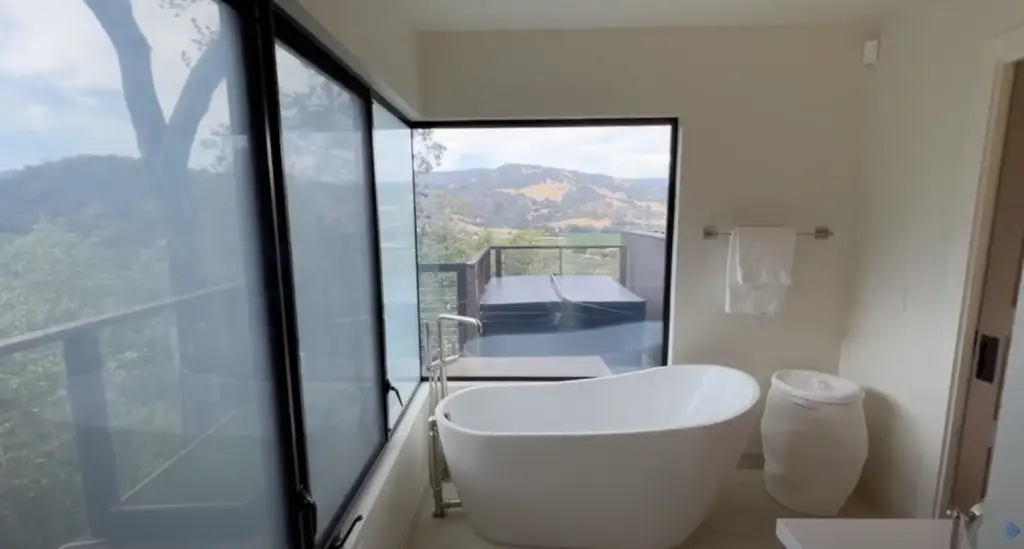
Hotels and resorts are applying switchable smart film to make guest spaces more useful and distinctive. A bathroom wall that turns private or a smart window that opens up a view illustrates the range of hospitality uses. For a Downtown Dallas hotel, these features can shape both the room layout and the guest experience.
Within guest rooms, switchable glass can combine additional privacy with sound insulation and access to natural light. By managing incoming solar heat, smart windows may also help lower energy costs. Elsewhere in the property, switchable partitions allow the same space to accommodate different occasions, including meetings and weddings.
For hotels and resorts evaluating their interiors, switchable smart film offers a way to improve function and energy efficiency together. The result can be a more memorable stay for guests and more adaptable spaces for the property, making smart glass a practical consideration for Dallas hospitality projects.